


Table of Contents
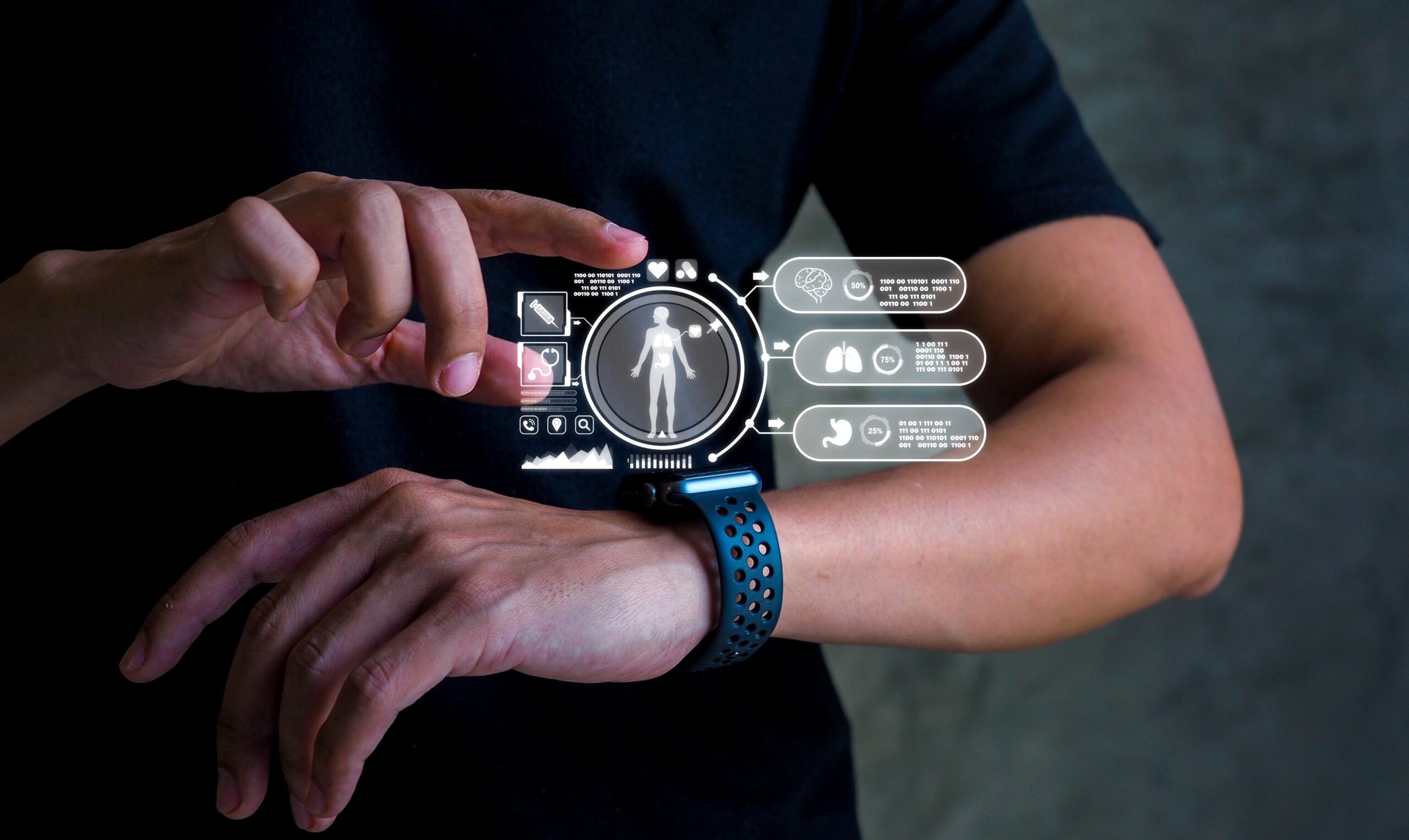
Your smartwatch can nail your steps and still lie to your waistline by hundreds of calories a day.
Quick Take
- Multiple studies find consumer wearables often miss calorie burn badly in real life, commonly by 20% to well over 30%.
- Heart rate and step counts tend to test far better than “active calories,” which depend on assumptions your body rarely follows.
- Body size, gait, arm swing, cycling, strength training, and even how a device sits on your wrist can throw the math off.
- Gold-standard measurement uses metabolic testing that tracks oxygen and carbon dioxide exchange; it beats consumer estimates for precision.
- New research aims to close the gap for people with obesity, where off-the-shelf algorithms often undercount effort.
Why “Active Calories” Became the Most Expensive Guess in FitnessCalories burned
looks like a simple number, but it’s a layered estimate built on a baseline metabolic rate plus an “activity” add-on that your device tries to infer from motion and heart rate. That inference is where the trouble starts. Real bodies move with different efficiencies, different limb mechanics, and different fatigue patterns. Two people can walk the same mile and spend meaningfully different energy doing it, especially outside a lab.
https://www.youtube.com/watch?v=Gy_vcL1cpP8
The consumer promise is seductive: eat the number you “earned” and watch the scale cooperate. The conservative, common-sense problem is that bad numbers produce bad decisions. Overestimated burn encourages extra eating that feels justified; underestimated burn can make disciplined people think they “failed” and push harder in ways that backfire. The tech isn’t evil; it’s doing math on incomplete signals and packaging the result with more confidence than the evidence supports.
Got a health question? Ask our AI doctor instantly, it’s free.
What the Research Keeps Showing: Steps Good, Calories Not So Much
Independent testing has repeatedly landed on the same uncomfortable conclusion: wearables often perform decently for steps and reasonably for heart rate, yet struggle mightily to compute energy expenditure. Research summarized across devices has reported calorie-burn errors that can swing into ranges most dieters would consider deal-breaking. One university analysis of Apple Watch performance found heart rate and step errors far smaller than the error for energy expenditure, a split that tells you where the estimation problem lives.
Older but influential testing sponsored through exercise science circles found no single activity tracker performed accurately across the board, with calorie errors that varied by activity and device. That variability matters more than brand loyalty. If the error changes with speed, incline, arm movement, or the type of workout, the number stops acting like an instrument and starts acting like a weather forecast. Useful sometimes, but not a ledger you can balance.
Clear answers for common health questions start now.
Why Obesity and Real-World Movement Break “One-Size-Fits-All” Algorithms
People with obesity often get the worst of it, and not because they are doing anything wrong. Movement patterns, wrist tilt, device fit, and gait differences can alter sensor readings in ways an algorithm trained on narrower populations may not understand. Northwestern researchers highlighted this gap and tested an approach designed to improve accuracy for people with obesity, comparing estimates against metabolic testing while also validating activity in real-world settings.
https://www.youtube.com/watch?v=wiT_RoiKZt0
That focus matters culturally as well as medically. Weight management already attracts enough bad faith lectures and miracle-product nonsense. A tracker that systematically undercounts effort for heavier bodies reinforces the demoralizing belief that hard work “doesn’t count.” When researchers say current devices can miss the mark for obesity, the fair takeaway is not that users are broken. It’s that the product was never tuned for them, then got marketed like it was.
The Best Way to Know Calorie Burn: Metabolic Testing, Not Vibes
The most defensible measurement of calorie burn uses indirect calorimetry: a metabolic cart or similar lab system that measures oxygen consumption and carbon dioxide production to calculate energy expenditure. This method doesn’t guess from wrist motion; it measures what your body actually uses. For daily life, doubly labeled water (an isotope method) can estimate total energy expenditure over longer periods, offering another high-credibility lens when researchers need precision outside the lab.
That doesn’t mean everyone needs a lab appointment to get in shape. It means you should treat wearable calories the way you treat a bathroom scale on a carpet: it can show direction, but not truth to the decimal. If you want a “best” answer, pay for one proper metabolic test, then use that baseline to sanity-check your device. If the watch routinely claims you burned an extra dinner, demand proof.
How to Use a Tracker Without Letting It Run Your Diet
Use wearables for what they measure well: steps, time moving, and heart-rate trends. Use body weight trends, waist measurements, gym performance, and hunger cues for what matters: whether your plan is working. When a device reports a surprisingly high burn from a light day, assume error before entitlement. When it reports a low burn after a hard session, assume error before despair. Discipline thrives on reliable feedback, not on shiny numbers.
Food tracking deserves the same realism. Many people undercount intake, and many devices overcount burn; that combination can stall progress while making you feel like you’re doing everything right. A conservative approach is simple: set an intake target based on consistent results, not on daily “calories earned.” Let the tracker push behavior—walk more, sit less—without letting it dictate permission slips for snacking.
Not sure where to start? Ask the AI doctor about your symptoms.
The Coming Fix, and the Question Consumers Should Ask Next
Research aiming for much higher accuracy, including work designed specifically for people with obesity, signals that the industry can improve when it admits the problem and tests against gold standards. The next question is whether consumer products will adopt those validated methods broadly, or keep shipping algorithms optimized for marketing demos. Buyers should demand transparent validation across body types and activities, not just polished dashboards and “AI” buzzwords.
The uncomfortable punchline is also liberating: if your watch says you “only” burned a small number, you didn’t waste your workout. You built cardiovascular capacity, muscle, insulin sensitivity, and momentum—outcomes no wrist sensor can fully price. Treat calorie estimates as a rough instrument, verify them when the stakes are high, and keep your authority where it belongs: with your choices, not your gadget.
Sources:
More accurate fitness trackers for people with obesity
SAS blog on activity tracker accuracy and real-world error
Apple Watch accuracy study
ACE-sponsored research: Are activity trackers accurate?
ScienceDaily report on isotope-based energy expenditure measurement
Exercise boosts daily calorie burn more than expected
Not all mHealth activity trackers are created equal, study finds