


Table of Contents
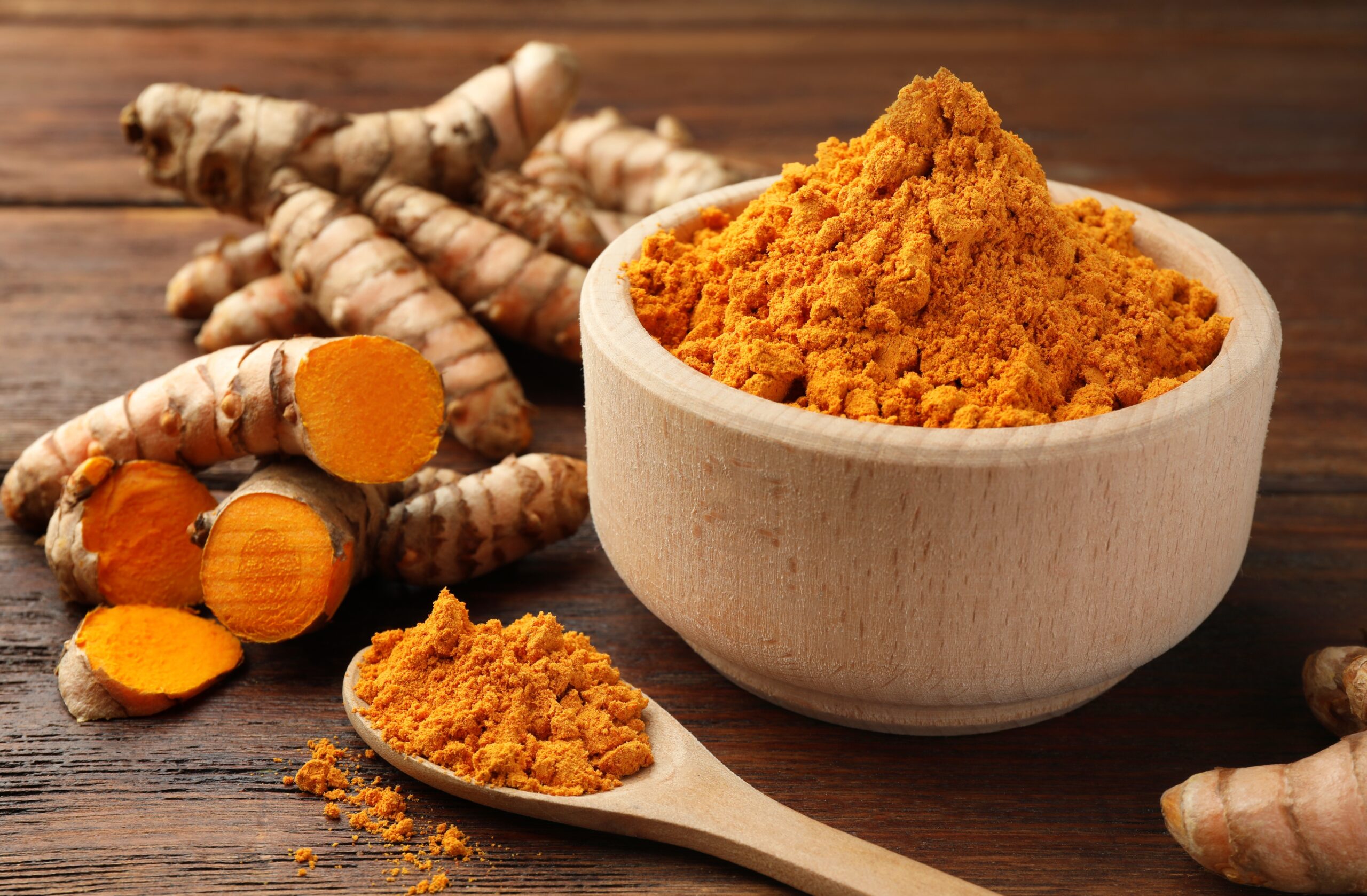
Could a spice from your kitchen shelf hold the secret to faster muscle recovery?
Story Snapshot
- Turmeric's curcumin compound shows promise in reducing exercise-induced inflammation.Studies highlight turmeric's potential benefits for both elite and adolescent athletes.
- Evidence suggests turmeric could revolutionize sports recovery protocols.
- Ongoing research explores turmeric's long-term impact on athletic performance.
Turmeric's Rise in Sports NutritionTurmeric
, long celebrated in traditional medicine, is gaining attention in sports science. Studies from 2022 to 2024 have documented how curcumin, turmeric’s active compound, can speed up muscle recovery by reducing inflammation. This research includes trials involving elite footballers and adolescent athletes, showcasing turmeric’s potential to transform post-exercise recovery. The findings position turmeric as a powerful supplement for athletes seeking natural, effective recovery solutions.
Researchers have validated these benefits through controlled trials and comprehensive literature reviews, marking the first time turmeric's anti-inflammatory effects have been measured in elite athletic settings. This positions turmeric as a dual-purpose supplement, bridging traditional remedies and modern sports nutrition. As the evidence mounts, its role in recovery protocols continues to expand, promising significant impacts on the sports nutrition industry.
https://x.com/MacinJoshua/status/1956018172332855424
Scientific Backing and Studies
Curcumin's efficacy in combating muscle soreness and inflammation has been supported by multiple studies. A notable 2023 pilot study involving elite footballers confirmed turmeric's ability to reduce inflammation markers like C-reactive protein. Meanwhile, a 12-week study in 2022 revealed similar benefits for adolescent athletes. These findings have been synthesized in a 2024 review by Universitat Oberta de Catalunya, drawing media attention and spurring public interest in turmeric supplementation for sports recovery.
The studies underscore curcumin’s mechanism of action, which involves downregulating inflammatory pathways and reducing oxidative stress. This not only aids in muscle recovery but may also lower injury risk, offering a safer alternative to pharmaceutical anti-inflammatories. As research progresses, the call for larger, randomized trials grows, aiming to establish optimal dosing and long-term safety.
Implications and Industry Impact
In the short term, athletes using turmeric could experience less muscle soreness and quicker recovery times, enhancing their training and performance. Long-term, the widespread adoption of turmeric supplements might reduce reliance on traditional anti-inflammatory medications, promoting overall athlete health. These benefits extend beyond the professional realm, offering amateur athletes and fitness enthusiasts a natural recovery option.
The economic implications are significant. The turmeric supplement market is poised for growth, driven by increasing consumer acceptance of natural remedies. Socially, this trend reflects a broader shift towards traditional medicine in mainstream sports. However, as turmeric gains popularity, regulatory scrutiny over supplement claims may intensify, ensuring consumer protection and product efficacy.
Sources:
Pilot study on turmeric supplementation in elite footballers (Journal of Sports Sciences, 2023)
UOC review and expert commentary (SciTechDaily, 2024)
12-week curcumin supplementation study in adolescent athletes (Frontiers in Nutrition, 2022)