


Table of Contents
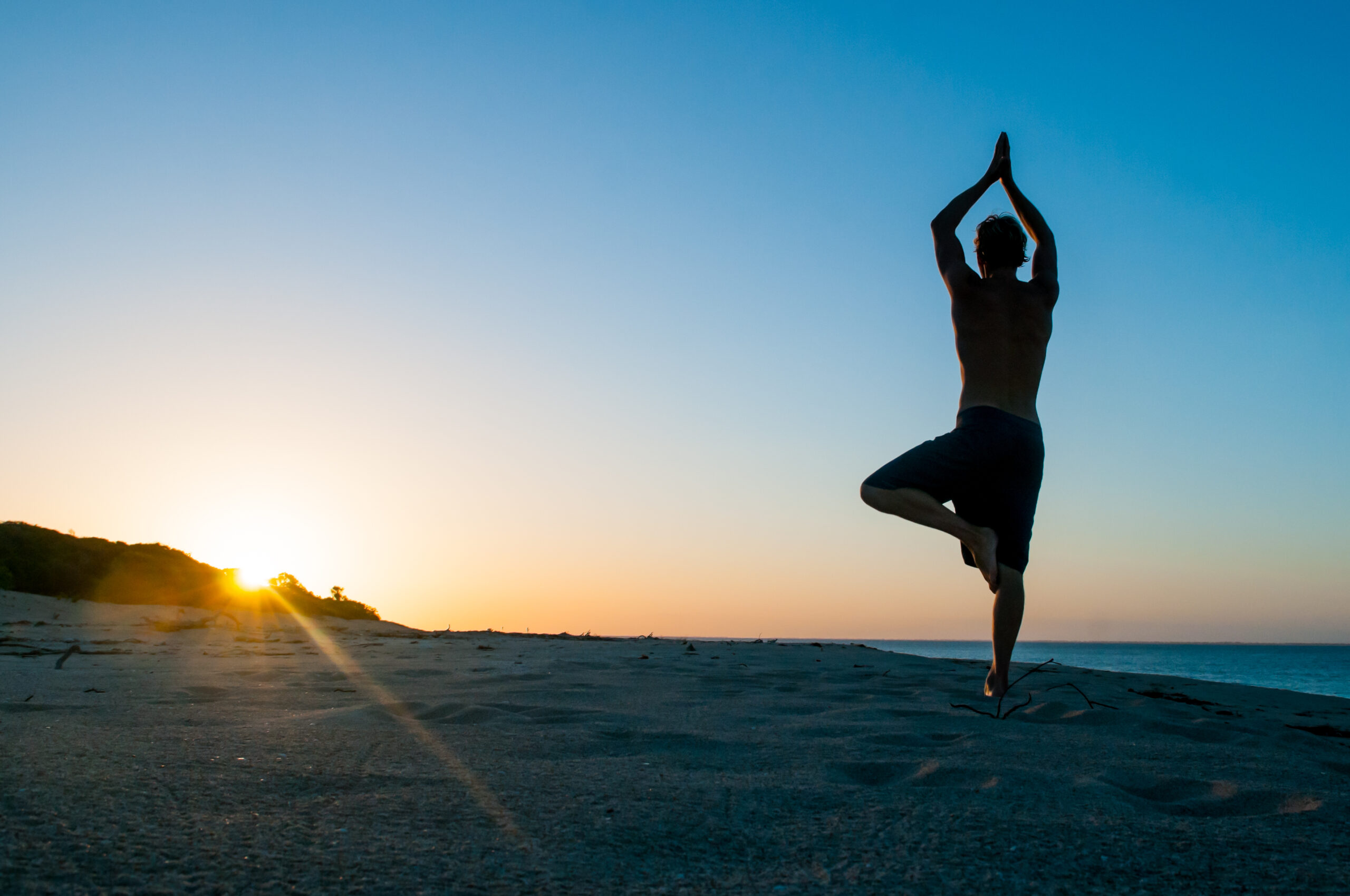
Mountain Pose, a seemingly simple yoga posture, holds the key to transforming your physical and mental well-being.
Story Snapshot
- Mountain Pose is a foundational yoga posture crucial for beginners and seasoned practitioners alike.
- It enhances posture, balance, mental focus, and serves as a cornerstone for more advanced poses.
- The pose has been pivotal in yoga's global spread and is integral to modern yoga practice.
- Experts and research emphasize its benefits for both physical and mental health.
The Cornerstone of Yoga Practice
Mountain Pose, or Tadasana, is more than just a simple standing posture; it's the bedrock of all standing yoga poses. Originating in ancient India, it has been a part of classical yoga traditions and has seamlessly transitioned into modern practice. Its significance lies in its accessibility—anyone can do it, yet it provides profound benefits. This posture improves alignment, balance, and focus, making it essential for beginners and a vital reference for seasoned practitioners.
Mountain Pose's simplicity is deceptive. While it appears straightforward, the pose requires careful attention to alignment and engagement of the entire body. By focusing on the breath and posture, practitioners can cultivate a sense of stability and groundedness, akin to the steadfastness of a mountain. This foundation is crucial, as it prepares the body for more complex yoga poses, ensuring that practitioners build their practice on solid ground.
Physical and Mental Benefits
Practicing Mountain Pose offers a myriad of physical benefits. It enhances posture by aligning the spine, engaging core muscles, and improving balance. These attributes are essential for anyone looking to correct postural issues or enhance their physical stability. Moreover, the pose strengthens the legs and core, contributing to overall physical fitness.
Mental benefits are equally significant. Mountain Pose encourages mindfulness and concentration, promoting mental clarity and reducing stress. This dual focus on body and mind aids in calming the nervous system, fostering a sense of inner peace and confidence. In an age where stress is prevalent, such grounding practices are invaluable for mental health.
Adapting for Accessibility
Mountain Pose’s versatility allows it to be adapted for various populations, ensuring that yoga remains inclusive and accessible. Modifications, such as performing the pose with feet apart or using a wall for support, make it suitable for individuals with different physical capabilities. Chair yoga adaptations extend its benefits to seniors or those with mobility challenges, demonstrating its adaptability and relevance in diverse contexts.
The pose’s simplicity has also made it a subject of study in physical therapy, where it is used to assess and correct postural imbalances. By understanding how to engage muscles properly in Tadasana, individuals can prevent injuries and improve their overall physical health. This integration of yoga into therapeutic settings underscores its value in promoting holistic wellness.
Global Impact and Future Directions
Mountain Pose’s impact extends beyond individual practice. As yoga continues to gain popularity worldwide, Tadasana has become a symbol of yoga’s accessibility and holistic benefits. Its inclusion in nearly every yoga session highlights its foundational status and underscores the importance of grounding practices in maintaining both physical and mental health.
Looking forward, the emphasis on accessibility and inclusivity is likely to grow. As more people turn to yoga for its health benefits, foundational poses like Mountain Pose will play a pivotal role in introducing newcomers to yoga. Online platforms and social media will continue to democratize access to quality instruction, ensuring that the benefits of Tadasana reach a global audience.
Sources: