


Table of Contents
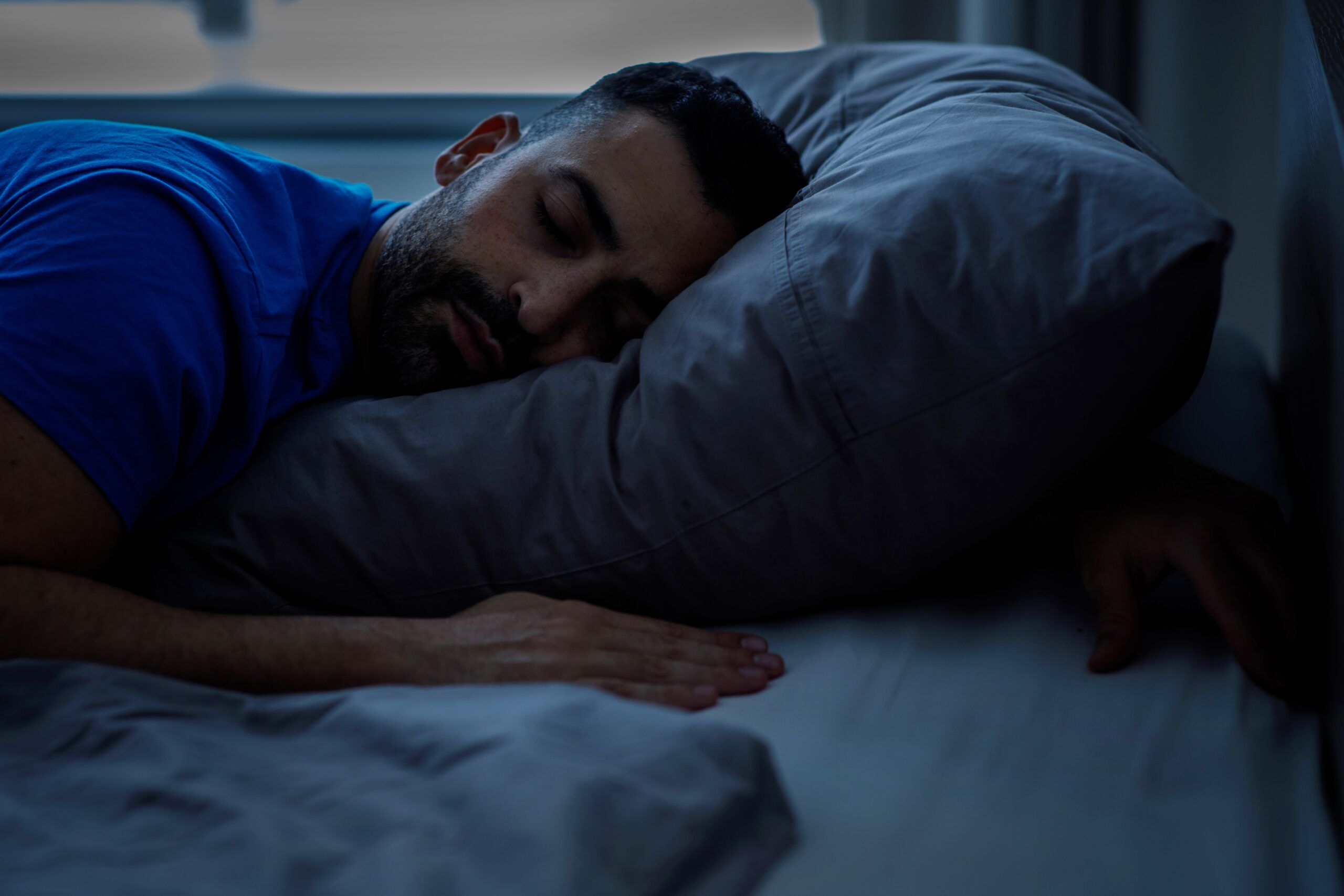
Your bedtime schedule may be a stronger predictor of your lifespan than how many hours you actually sleep.
Story Overview
- Sleep regularity outperforms duration in predicting mortality risk, with consistent schedules reducing death risk by 16%
- College students with irregular sleep patterns show 25% worse academic performance regardless of total sleep hours
- Night owls face heightened mental health risks that persist even when they get adequate sleep duration
- The Sleep Regularity Index now rivals traditional sleep metrics as the gold standard for health outcomes
The Academic Performance Breakthrough That Changed Everything
In 2019, researchers tracking 86 college students discovered something that upended decades of sleep advice. Students who went to bed and woke up at consistent times earned significantly higher GPAs than their peers who slept the same total hours but on erratic schedules. The consistency of sleep timing explained 24% of the variance in academic performance, with early risers showing a 7% GPA advantage over night owls.
The study revealed that males were particularly sensitive to sleep schedule irregularity, suggesting biological differences in how our brains process circadian disruption. Students with low standard deviation in their sleep timing consistently outperformed those with chaotic schedules, even when controlling for total sleep duration and sleep quality measures.
When Your Internal Clock Becomes a Mortality Predictor
The most startling evidence came from a 2024 analysis of over 60,000 participants across multiple cohorts. Researchers developed the Sleep Regularity Index, a metric measuring how consistent people's sleep-wake patterns remain over time. Those with the highest regularity scores showed a 16% reduction in all-cause mortality risk compared to the most irregular sleepers.
This mortality advantage persisted even after accounting for sleep duration, suggesting that when you sleep matters as much as how long you sleep. The relationship between sleep duration and regularity followed a cubic pattern, peaking at 7.83 hours, but irregularity remained the stronger predictor of longevity across all duration categories.
Watch:
https://www.youtube.com/watch?v=F2wpyOSNXb8
The Mental Health Connection Nobody Saw Coming
Stanford researchers in 2024 uncovered another piece of the puzzle by examining night owl behavior patterns. People with late sleep schedules showed increased rates of depression and anxiety that couldn't be explained by insufficient sleep alone. The timing of sleep, not just its quantity, appeared to interact with mental health in ways that traditional sleep advice completely missed.
The research revealed that circadian misalignment creates a cascade of hormonal disruptions affecting mood regulation, stress response, and cognitive function. Even when night owls obtained their recommended 7-9 hours of sleep, their delayed timing pattern put them at a biological disadvantage compared to earlier sleepers with identical duration.
Why Your Smartphone Might Know More About Your Health Than Your Doctor
The breakthrough in sleep regularity research coincided with advances in wearable technology that could objectively track sleep patterns over months and years. Unlike previous studies relying on self-reported sleep diaries, these devices revealed the true extent of most people's sleep irregularity. The average person's bedtime varied by over 90 minutes night to night, creating chronic circadian disruption.
Modern sleep tracking now incorporates Sleep Regularity Index calculations, giving users a more comprehensive picture of their sleep health. The American Academy of Sleep Medicine has begun emphasizing schedule consistency alongside duration in their guidelines, recognizing that optimal sleep requires both adequate quantity and precise timing to maximize health benefits.
Sources:
Sleep regularity and predictors of sleep efficiency and sleep duration in a community sample
Sleep regularity and mortality: a prospective analysis in the UK Biobank
Sleep Duration vs Sleep Quality: Which Matters More for Health?
Sleep timing predicts next-day physical activity
Night owl behavior could hurt mental health, sleep study finds
Healthy sleep is essential: a position statement by the American Academy of Sleep Medicine