


Table of Contents
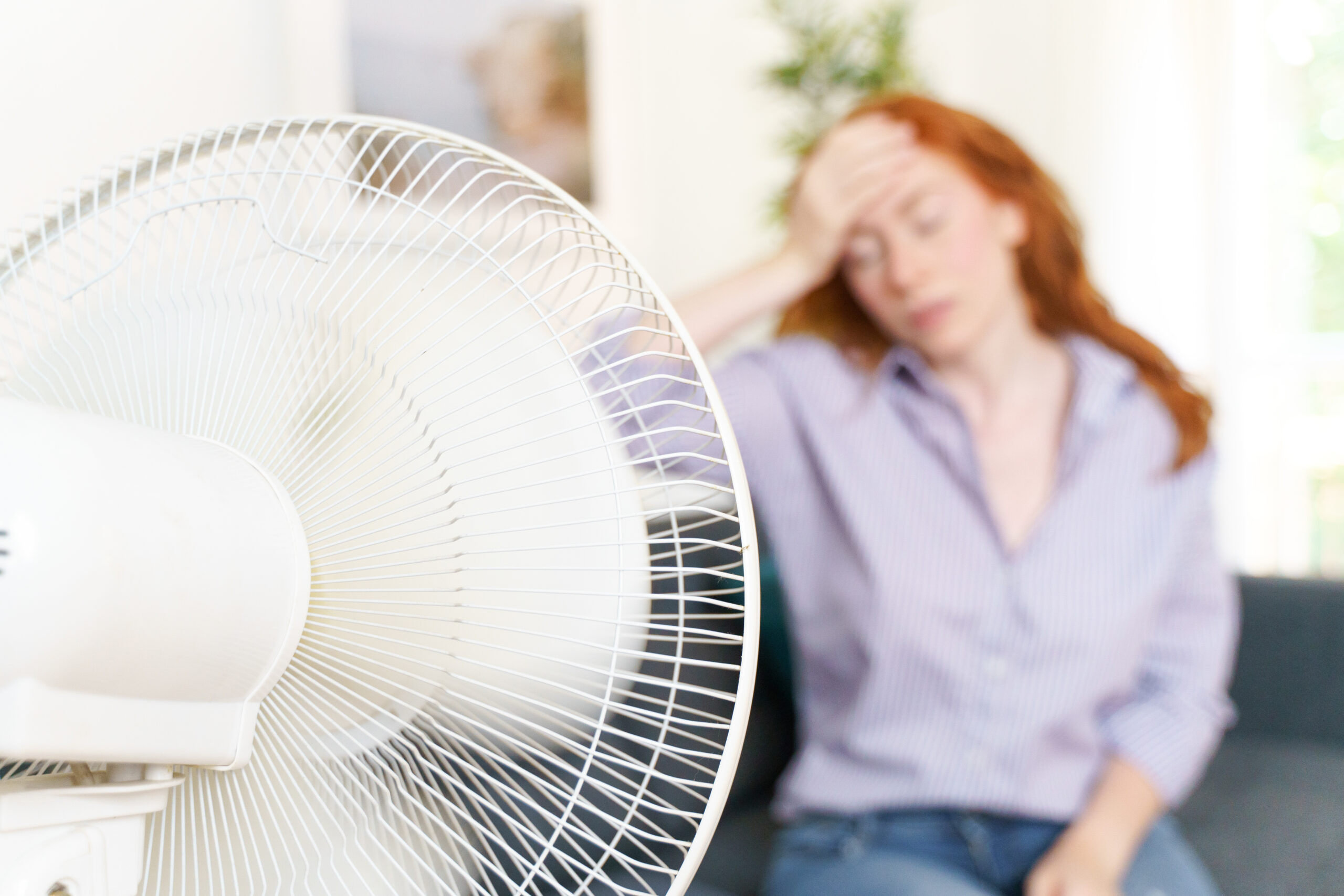
Summer can look like freedom on the calendar while quietly behaving like a mental-health stress test in your body.
Quick Take
- The “summer slump” often shows up as low energy, irritability, and motivation drop-offs that people mislabel as laziness.
- Heat exposure links to measurable increases in mental health-related emergency department visits, not just bad moods.
- Routine loss during school breaks and vacations can weaken the guardrails that keep anxiety and depression in check.
- Kids, students, and vulnerable households can take the hardest hit when school-based supports disappear for the season.
The summer slump is not a personality flaw; it’s a predictable collision of heat, routine loss, and biology
The summer slump doesn’t announce itself with a headline. It slips in as “What’s wrong with me?” energy: you sleep, but wake tired; you “should” be happy, but feel flat; you dodge plans and then feel guilty about dodging them. Clinicians describe a mix of physical lethargy and emotional fog tied to heat, disrupted schedules, and even a summer-pattern form of seasonal depression.
https://www.youtube.com/watch?v=xTJzf8gNCVc
Heat changes behavior in ways people don’t like to admit. High temperatures strain sleep, shorten patience, and narrow decision-making—then shame fills the gap with a moral story about laziness. Research tying extreme heat to mental health-related emergency visits puts muscle behind what families report every July: the body’s stress load rises when temperatures spike, and the mind often pays the bill.
Got a health question? Ask our AI doctor instantly, it’s free.
Heat waves don’t just melt sidewalks; they raise mental-health risk across demographics
Large-scale U.S. data linking hotter days to increases in mental health emergency department visits matters for one reason: it’s hard evidence in a culture that often demands proof before it offers compassion. The pattern appears across ages, sexes, and regions, which undercuts the comforting myth that only “sensitive” people struggle in summer. If you feel more anxious, agitated, or depleted during heat, you’re not imagining it.
Climate change turns this from a personal quirk into a public problem. More extreme-heat days mean more chances for mental strain to pile up, especially for people who can’t escape into air-conditioned offices or flexible schedules. Older adults, outdoor workers, and families in under-resourced neighborhoods face a simple math problem: fewer cooling options plus more heat equals more stress, worse sleep, and higher odds of crisis-level symptoms.
Your health questions deserve instant support.
Routine is a mental-health tool, and summer takes it away at the worst time
School and work schedules do more than fill time; they provide structure that quietly protects mental health. Summer removes that structure, especially for kids and teens, then replaces it with long stretches of unplanned hours. Surveys show parents worry about boredom and heavy screen time, but the deeper issue is isolation. Without daily touchpoints—teachers, coaches, counselors—small problems can grow before anyone notices.
https://www.youtube.com/watch?v=Lhr-YP01PGg
Adults fall into a similar trap, just with better excuses. Vacations disrupt sleep and eating rhythms; remote work blurs boundaries; longer daylight can push bedtimes later while alarms stay the same. The result looks like burnout even when the workload hasn’t changed. People then try to “power through,” which often worsens the cycle: caffeine, poor sleep, reduced exercise, more irritability, less motivation, and finally the belief that something is wrong with their character.
Summer depression and “reverse SAD” feel backward because the season is supposed to be joyful
Winter seasonal affective disorder has cultural recognition; summer-pattern depression tends to hide in plain sight. Some people experience the warm months as overstimulating: heat, humidity, bright light, and social pressure to be active can spike anxiety, restlessness, and insomnia. That mismatch—feeling low when the world expects “fun”—creates a uniquely corrosive shame loop, especially for adults who pride themselves on grit and self-control.
Common sense says you can’t shame your way into better neurochemistry. People describe dopamine “whiplash” when they shift from high structure to low structure, from constant school-year demands to sudden freedom. A short reset can help, but persistent numbness, agitation, or withdrawal deserves the same seriousness you’d give winter symptoms. The practical conservative view is simple: treat the signal, not the stigma, and take responsibility through action.
Crime exposure, food insecurity, and missing supports make summer harder for vulnerable families
Summer risk is not evenly distributed. Students who rely on school for counseling, routine, meals, and safety can lose multiple layers of support at once. Research and policy discussions around summer highlight how community stressors rise when school is out, and how exposure to crime and instability can worsen depression and trauma symptoms. People who already live close to the edge don’t get a “break”; they get more uncertainty.
Policy debates often chase flashy solutions while ignoring practical seasonal realities. Communities can reduce harm with common-sense steps: heat preparedness plans that include mental health, expanded access to summer programs, and better coordination between schools, healthcare systems, and local services. Providers also need the capacity to anticipate summer surges, because emergency departments become the fallback when families can’t find timely care.
Free medical guidance, anytime. Start your chat today.
How to handle the slump without surrendering to it
Start with two goals: protect sleep and rebuild structure. Keep a consistent wake time, limit late-evening heat exposure, and treat cooling as health care when temperatures soar. Build a “minimum viable day” routine: a morning walk or indoor movement, one social touchpoint, one chore, and one enjoyable activity. That sounds small on purpose; small routines win when motivation runs low.
Escalate wisely when symptoms stop being seasonal and start being disabling. Persistent hopelessness, panic, heavy substance use, or thoughts of self-harm call for professional care, not motivational speeches. Telehealth and community clinics can bridge gaps when summer schedules make appointments harder. The most grounded mindset is also the least dramatic: summer slump can be real, common, and solvable, but only when you stop treating it like a character defect.
Sources:
Summer heat can drain mental health
The Summer Slump: Navigating Motivation and Mental Health During the Off-Season
How Summer Break Impacts Mental Health
Summer and student mental health
Summer Scaries Survey
Summer Slide
Seasonal Affective Disorder
The Summer Slump: Do Kids Backslide During Summer Vacation?