


Table of Contents
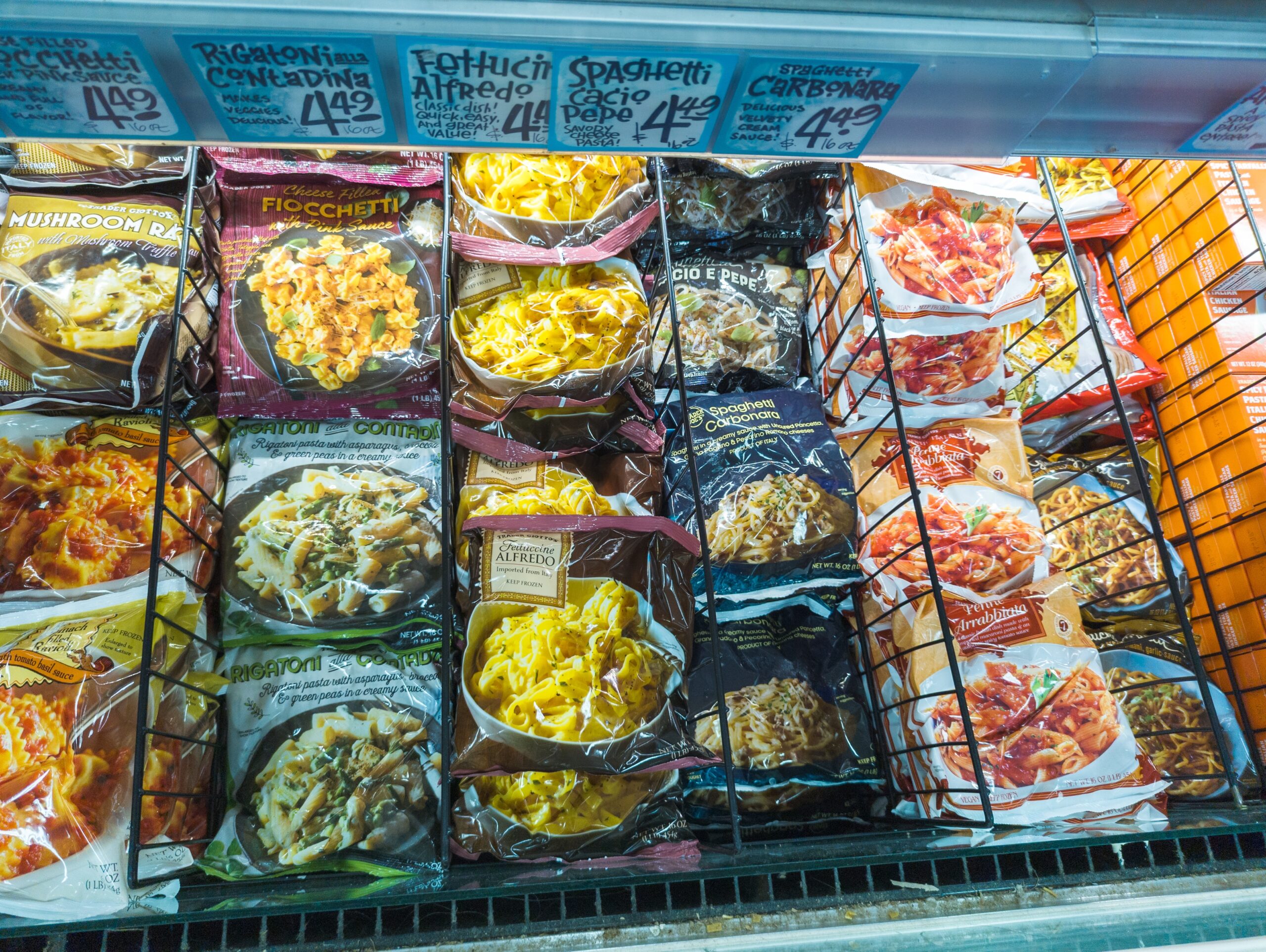
The frozen dinner you microwaved last night might be delivering more than half your daily sodium limit in a single meal, setting the stage for hypertension and kidney strain decades before symptoms appear.
Story Snapshot
- Registered dietitians from Ohio State University and Cleveland Clinic identify frozen meals, diet sodas, potato chips, and sweetened coffee drinks as everyday items causing hidden long-term damage through excessive sodium, artificial sweeteners, unhealthy fats, and added sugars.
- Frozen meals can exceed 1,150 milligrams of sodium per serving—over 50 percent of the FDA's daily limit—while diet sodas disrupt gut bacteria and spike triglycerides despite zero-calorie labels.
- Experts warn these convenience foods contribute to insulin resistance, cardiovascular disease, nutrient deficiencies, and chronic inflammation, with 80 percent of supermarket items containing hidden sugars under more than 260 different names.
- Recommended swaps include air-popped popcorn over chips, unsweetened coffee over flavored lattes, and fresh meals over frozen entrees to protect metabolic and gut health.
The Convenience Trap: How Frozen Meals Became Health HazardsFrozen meals
arrived as post-World War II miracles for busy American households, promising balanced nutrition in minutes. Decades later, registered dietitian Alma Simmons from Ohio State University warns these same products deliver dangerous sodium loads. A single frozen entree can contain more than 1,150 milligrams of sodium, exceeding half the FDA's 2,300-milligram daily recommendation. Simmons notes that excess sodium raises blood pressure, strains kidneys, and increases cardiovascular disease risk over time. Beyond salt, plastic packaging leaches endocrine-disrupting chemicals into food during microwaving, compounding the threat. Julia Zumpano from Cleveland Clinic adds that frozen meals often lack fiber, vitamins, and minerals found in fresh foods, leaving consumers overfed yet undernourished.
https://www.youtube.com/watch?v=fBSKkg-lUdY
Diet Sodas: The Zero-Calorie Illusion
Diet sodas promised guilt-free refreshment when they hit shelves in the 1950s, with artificial sweeteners like aspartame gaining FDA approval in 1981 as obesity rates climbed. Simmons and Zumpano now caution that these zero-calorie beverages carry hidden costs. Artificial sweeteners disrupt gut bacteria, a phenomenon recent microbiome research links to metabolic dysfunction. Zumpano explains that diet sodas can elevate triglyceride levels and paradoxically contribute to weight gain by confusing insulin responses. Simmons adds that regular consumption may increase cravings for sweet foods, undermining weight-control efforts. While the exact mechanisms remain under scientific debate, registered dietitians agree the risks outweigh the calorie savings, especially given long-term associations with stroke and dementia identified in studies.
https://www.youtube.com/shorts/G65zzCWOhuM
Potato Chips and Sweetened Coffee: Fast Tracks to Inflammation
Potato chips, industrialized since the early 1900s, pack a triple punch of sodium, unhealthy fats, and additives that registered dietitian Lauren Manaker warns fuel inflammation and hypertension. A single serving often contains 150 to 200 milligrams of sodium plus trans fats that clog arteries. Sweetened coffee drinks, popularized during the 1990s Starbucks boom, deliver another blow. Manaker explains that a flavored latte can contain 25 to 50 grams of added sugar, spiking blood glucose and prompting insulin surges that lead to resistance over years of consumption. These beverages trick consumers with "no added sugar" labels that hide fruit purees and syrups among 260-plus sugar aliases on ingredient lists, as endocrinologist Dr. Robert Lustig documented in his viral 2025 interview.
Tired of diets that don't work? Get a personalized plan in minutes.
The Hidden Sugar Epidemic in American Supermarkets
Lustig's research reveals that 80 percent of supermarket foods contain metabolically harmful sugars or refined carbohydrates disguised under names like dextrose, maltose, and evaporated cane juice. This deception extends beyond obvious sweets to bread, sauces, and even vegan cheese, as holistic nutritionist Robin DeCicco notes in gut health investigations. The result is a national diet drowning in empty calories that spike insulin, promote fat storage, and starve beneficial gut bacteria. Lustig rejects the food industry's defense that fortified products mitigate harm, stating bluntly that adding antidotes to toxins still equals death. The chronic disease toll is staggering: 40 percent of U.S. adults suffer obesity, and annual healthcare costs for diet-related illnesses top 1.7 trillion dollars, disproportionately burdening low-income communities reliant on cheap convenience foods.
Safe science based weight loss no guesswork.
Practical Swaps to Reclaim Long-Term Health
Experts offer straightforward alternatives that preserve convenience without sacrificing health. Simmons recommends air-popped popcorn instead of chips, delivering fiber and whole grains without excessive sodium or trans fats. Manaker suggests unsweetened coffee with a splash of milk over sugary lattes, cutting 200-plus daily calories and preventing glucose spikes. Zumpano advises replacing frozen meals with batch-cooked fresh dishes portioned for the week, ensuring nutrient density and controlled sodium. For beverages, sparkling water with lemon substitutes for diet sodas, hydrating without disrupting gut bacteria. These swaps align with post-COVID wellness trends favoring whole foods over ultra-processed products, a shift that pressures giants like PepsiCo and Nestlé while boosting markets for fresh produce and minimally processed snacks.
The dietitians' warnings reflect common sense rooted in biochemistry: bodies evolved to process real foods, not laboratory concoctions engineered for shelf life and profit margins. The FDA sets guidelines, but enforcement lags as industry lobbying dilutes labeling requirements, leaving consumers to navigate a minefield of misleading claims. The solution lies not in government mandates but in personal responsibility, armed with knowledge from credible experts. Choosing whole foods over convenience items respects both individual health and the principle that thriving communities start with thriving individuals. The silent damage these five everyday items inflict becomes loud when metabolic disease strikes in middle age, but the power to prevent it sits on grocery store shelves today, waiting for informed choices that honor long-term vitality over short-term convenience.
Reach your goals with AI guided medical insight.
Sources:
5 everyday foods and drinks silently damaging your long-term health, say nutrition experts - Fox News
Nutrition experts unveil 5 everyday foods and drinks that could harm your long-term health - OK Diario
Four common foods may be wrecking your gut health, expert warns - Fox News
Dietitians Rate the 5 Worst Foods - The Wellness Corner
Four common foods may be wrecking your gut health - AOL