


Table of Contents
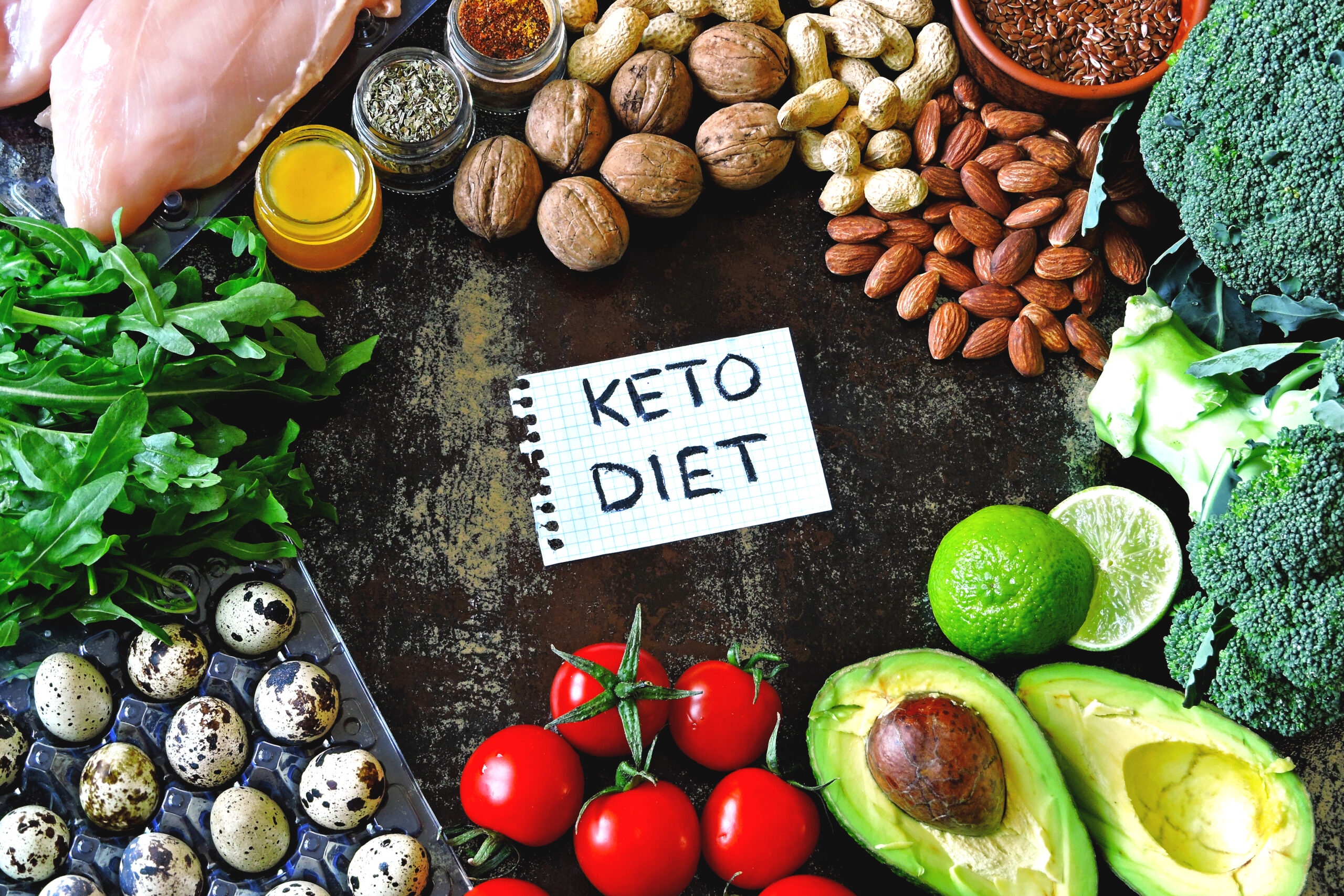
The keto diet can shrink your waist fast while quietly loading your liver and pancreas with problems that don’t show up until you’ve “stayed disciplined” for a long time.
Quick Take
- A 2025 University of Utah Health study in mice found long-term keto-style eating can drive fatty liver, high blood fats, and worsening blood-sugar control.
- Short-term weight loss happened, but extended high-fat, very-low-carb feeding stressed insulin-producing cells and impaired insulin release.
- Some damage improved when the animals stopped the diet, which matters for people treating keto like a permanent identity.
- Human evidence remains mixed; the most honest takeaway is caution, medical supervision, and avoiding “forever diet” thinking.
The 2025 mouse study that punctured the “keto forever” fantasy
University of Utah Health researchers ran a long-duration ketogenic feeding experiment in mice, lasting many weeks, a stretch intended to mimic years of human dieting. The results read like a warning label: fatty liver disease, rising blood lipids, disrupted blood-sugar regulation, impaired insulin secretion, and signs of pancreatic stress. The twist is what makes it unnerving: the animals still showed the kind of early weight-loss success that sells keto to the public.
https://www.youtube.com/watch?v=yP9d2jogHOw
The conservative, common-sense lesson isn’t “ban keto.” It’s “respect biology.” When a diet requires constant rule-policing to keep carbohydrates near zero, it invites people to ignore side effects as moral failures or “not doing it right.” Amandine Chaix, the senior author, summed up the core mechanic bluntly: lipids have to go somewhere, and the body often parks excess in the blood and liver.
Tired of diets that don't work? Get a personalized plan in minutes.
Why short-term keto can look great while long-term keto turns ugly
Keto’s early appeal comes from a simple fuel switch. Cut carbs hard enough and the body leans into fat-derived ketones. Many people see rapid water-weight loss, appetite changes, and improved triglycerides in shorter studies. That’s the seductive part. The Utah findings push the uncomfortable question: what happens when the “high-fat phase” never ends? In the mice, prolonged exposure seemed to overwhelm normal metabolic handling rather than “teach” the body lasting balance.
The pancreas piece deserves attention because it’s easy to miss in everyday dieting chatter. Insulin isn’t just a number on lab work; it’s a survival hormone your body must release on demand. The study’s signals of impaired insulin secretion suggest the insulin-producing beta cells were under strain, even as weight stayed down. That aligns with the idea that keto can reduce glucose load short-term, yet still create long-run stress if the underlying metabolic machinery gets battered.
Start your free GLP 1 eligibility check today.
Fatty liver and hyperlipidemia: the “silent bill” that arrives later
Fatty liver disease rarely announces itself with fireworks. Many people feel fine until labs drift or imaging tells the truth. The mouse data showed fatty liver alongside hyperlipidemia, a combination that should make any adult pause before treating bacon-and-butter meals as a lifestyle. The real-world risk is practical: modern keto often relies on processed “keto” products, oils, and high saturated-fat patterns that make it easy to overshoot healthy energy intake even without carbs.
https://www.youtube.com/watch?v=pgWtZbN-o5k
Claims about population-level outcomes add another layer of concern. Observational work and reviews have linked very low-carb patterns with higher mortality and higher heart- and cancer-related deaths, though these studies can’t prove cause and effect. Still, when mechanistic animal research and broad epidemiology point in the same troubling direction, common sense says you don’t dismiss it because a scale number dropped. You demand better long-term human trials before declaring victory.
The reversibility detail that changes how to think about keto
One nuance from the Utah work matters for people who already tried keto: some negative effects improved after the animals stopped the diet. That’s not a permission slip; it’s a strategy clue. Diet culture pushes extremes and permanence, but physiology often rewards cycling back to balance. If harm can reverse, then the smartest approach becomes time-limited therapeutic use, monitored by a clinician, rather than a forever plan built around fear of fruit, beans, or oats.
The NIH literature on ketogenic diets also highlights a very human problem: long-term compliance tends to be poor. People don’t “fail” because they’re weak; they struggle because the diet is restrictive and socially punishing, and it can create nutrient gaps if poorly designed. A plan that requires constant workarounds, special products, and endless label-reading becomes hard to sustain without cutting corners. Those corners can include fiber, micronutrients, and overall diet quality.
Safe science based weight loss no guesswork.
What cautious, pro-health adults can do without joining a food religion
Adults over 40 don’t need another crusade; they need a workable framework. If keto helped you lose weight or control appetite, treat it like a tool, not a worldview. Get baseline labs, then repeat them: lipids, liver enzymes, fasting glucose, A1c, and markers your physician recommends. If numbers worsen, don’t rationalize it away with internet slogans. Adjust the plan, shorten the keto window, or transition to a less extreme low-carb pattern.
Food composition matters as much as carb count. People can build a lower-carb plan around unprocessed proteins, non-starchy vegetables, nuts, olive oil, and adequate fiber, or they can build it around “keto treats,” butter coffee, and packaged shortcuts. The mouse study doesn’t map perfectly onto humans, but it reinforces a timeless rule: when a diet encourages you to concentrate one macronutrient to an extreme, you should assume tradeoffs exist and measure them.
The open question hovering over all of this is the one keto marketing hates: what if the best use of keto is temporary? The Utah findings, plus other long-term concerns raised in reviews and related research, argue for humility. Weight loss is good; organ damage is not a fair price. The conservative approach is simple: protect the body you’ve been given, distrust fads that demand lifelong purity, and insist on evidence that lasts longer than a few impressive months.
Sources:
Is The Keto Diet Safe Long-Term? New Study Raises Alarming Risks
New Study Links Keto Diet to Severe Long-Term Health Risks
Ketogenic Diets and Chronic Disease: Weighing the Benefits Against the Risks
Are Keto Diets Safe?
A ketogenic diet prevents weight gain but impairs glucose tolerance and exacerbates β-cell dysfunction in mice
New study in mice reveals long-term metabolic risks of ketogenic diet
A long-term ketogenic diet accumulates aged cells in normal tissues, a UT Health San Antonio-led study shows
Ketosis