


Table of Contents
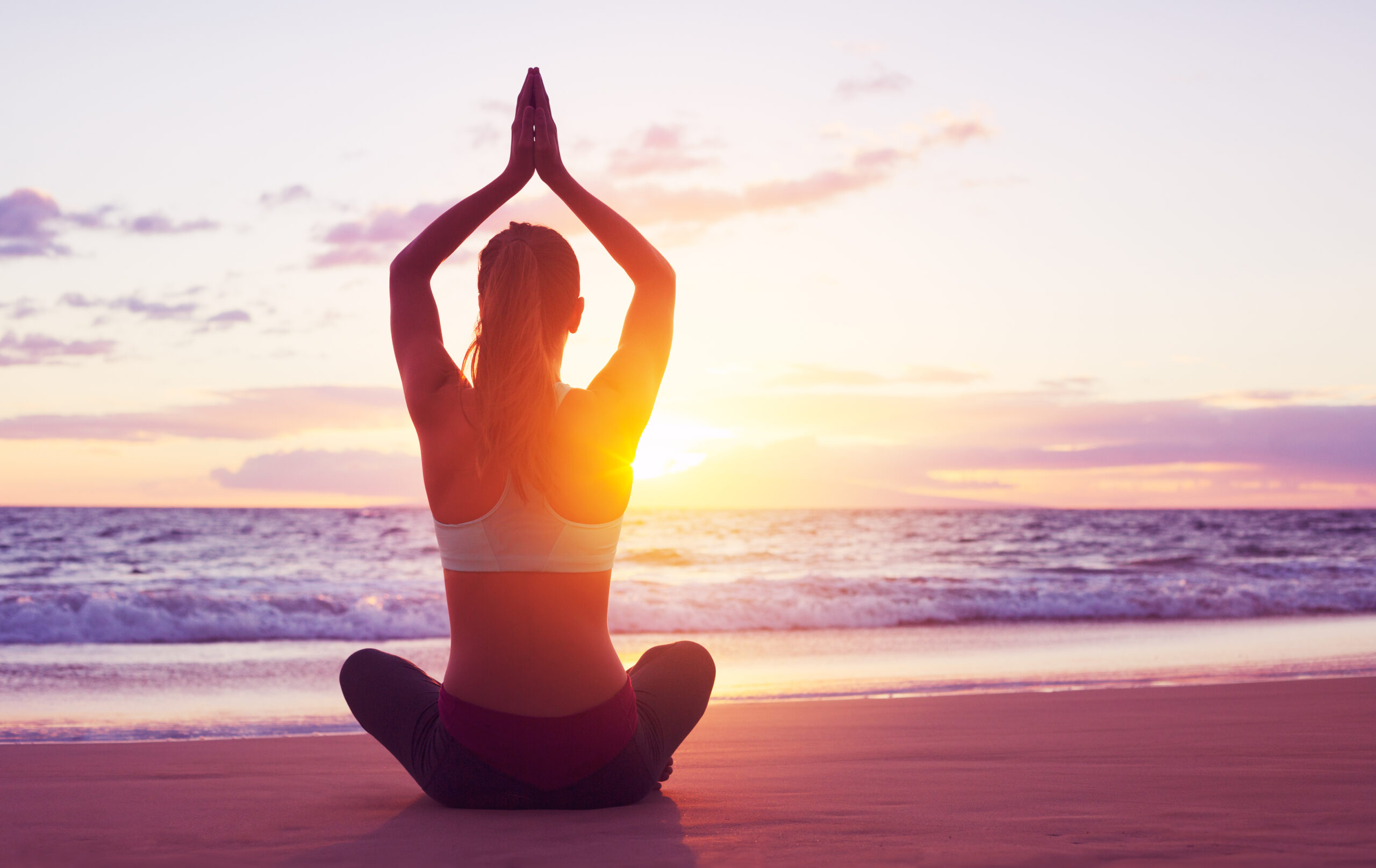
Yoga and Tai Chi deliver two hours of extra sleep nightly, outpacing sleeping pills without a single side effect.
Story Snapshot
- Yoga boosts total sleep time by two hours, Tai Chi by 50 minutes, rivaling cognitive behavioral therapy.
- Walking and jogging slash insomnia severity by 10 points, matching pharmaceutical results.
- Network meta-analysis of 22 trials with 1,348 insomnia patients proves exercise as primary treatment.
- Tai Chi sustains benefits for two years, reducing inflammation and hyperarousal.
- Low-cost, accessible option amid therapist shortages and drug risks.
Study Compares 13 Insomnia Interventions
Researchers analyzed 22 randomized controlled trials involving 1,348 adults with insomnia. They evaluated 13 interventions, including seven exercises: yoga, Tai Chi, walking/jogging, resistance training, Pilates, qigong, and dance. Trials lasted 4 to 26 weeks, using sleep diaries and objective measures for total sleep time, efficiency, latency, awakenings, and severity. Yoga excelled in sleep duration; Tai Chi in efficiency and long-term gains.
https://www.youtube.com/watch?v=0fG2tTsUHpo
Findings position mind-body exercises and aerobic activities ahead of others. Tai Chi reduced Pittsburgh Sleep Quality Index scores by 4.6 points. Jogging dropped severity by 10 points. These outperformed usual care and matched CBT, the gold standard therapy.
Got a health question? Ask our AI doctor instantly, it’s free.
Yoga and Tai Chi Target Sleep Fundamentals
Yoga increased total sleep time by 119 minutes versus controls. Participants reported fewer awakenings and better efficiency. Tai Chi added 50 minutes of sleep, with effects persisting two years post-intervention. Mechanisms include reduced sympathetic nervous system activity and inflammation.
Dr. Jennifer Gourdin, a Maryland sports medicine physician, highlights mindful breathing in these practices. She notes gentle stretches calm hyperarousal better than intense workouts for many patients. This aligns with conservative values favoring self-reliance over dependency on scarce therapists or addictive drugs.
Walking and Jogging Cut Severity Fast
Walking and jogging shortened sleep latency and boosted efficiency. Jogging reduced insomnia severity scores by 10 points, comparable to medications. Aerobic exercise curbs cortisol while boosting melatonin, addressing root causes like stress.
https://www.youtube.com/watch?v=0fG2tTsUHpo
Resistance training and qigong showed modest gains, but mind-body practices led overall. Dance lacked strong evidence. All exercises beat placebo with fewer side effects than pills, which risk dependency and cognitive fog.
Your 24/7 AI doctor is now live. No waiting. No appointment.
Exercise Fills Treatment Gaps
Insomnia strikes 4-22% globally, linking to dementia, heart disease, and depression. Pills carry side effects; CBT works but therapist shortages limit access. This first network meta-analysis compares exercises directly against standards.
Researchers urge guideline updates prioritizing yoga, Tai Chi, and walking. Community programs could scale this cheaply, empowering individuals. Long-term, Tai Chi rewires brain patterns for sustained sleep. Flaws like small samples and subjective measures warrant dosing studies, yet evidence strongly supports exercise first.
Not sure where to start? Ask the AI doctor about your symptoms.
Sources:
https://bmjgroup.com/yoga-tai-chi-walking-and-jogging-may-be-best-forms-of-exercise-for-insomnia/
https://wtop.com/health-fitness/2025/08/study-which-exercises-are-best-for-alleviating-insomnia/
https://superage.com/3-exercises-that-quietly-rewire-your-brain-for-deep-sleep/
https://www.foundmyfitness.com/stories/xoalli
https://pmc.ncbi.nlm.nih.gov/articles/PMC10979278/
https://www.epocrates.com/online/article/exercise-for-insomnia-which-activity-type-has-the-best-evidence