


Table of Contents
Your kitchen may be a hidden battleground where everyday habits quietly conspire to make you sick—and the most dangerous culprits aren’t always what you think.
Story Snapshot
- Smartphones in the kitchen can harbor more bacteria than a toilet seat, raising the risk of cross-contamination.
- Cleaning surfaces is not enough—sanitizing is essential to kill pathogens after handling raw meat or poultry.
- Leftovers and cooked grains must be reheated and stored at proper temperatures to prevent bacterial growth.
- Expiration dates are about quality, not safety; using your senses to check for spoilage is crucial.
Why Your Kitchen Habits May Be Endangering Your Health
Americans over forty have spent decades mastering their kitchens, but the science of food safety is nuanced and often counterintuitive. Researchers and food safety specialists warn that many home cooks make mistakes without realizing it. Smartphones, now indispensable for recipes and entertainment, carry up to ten times more bacteria than the average toilet seat. Every time you check an ingredient or timer, you may be transferring unseen pathogens to your food. Meredith Carothers of the USDA cautions that hands must be washed for 20 seconds with soap and water after using phones or handling raw meat.
This single practice could prevent countless cases of foodborne illness.
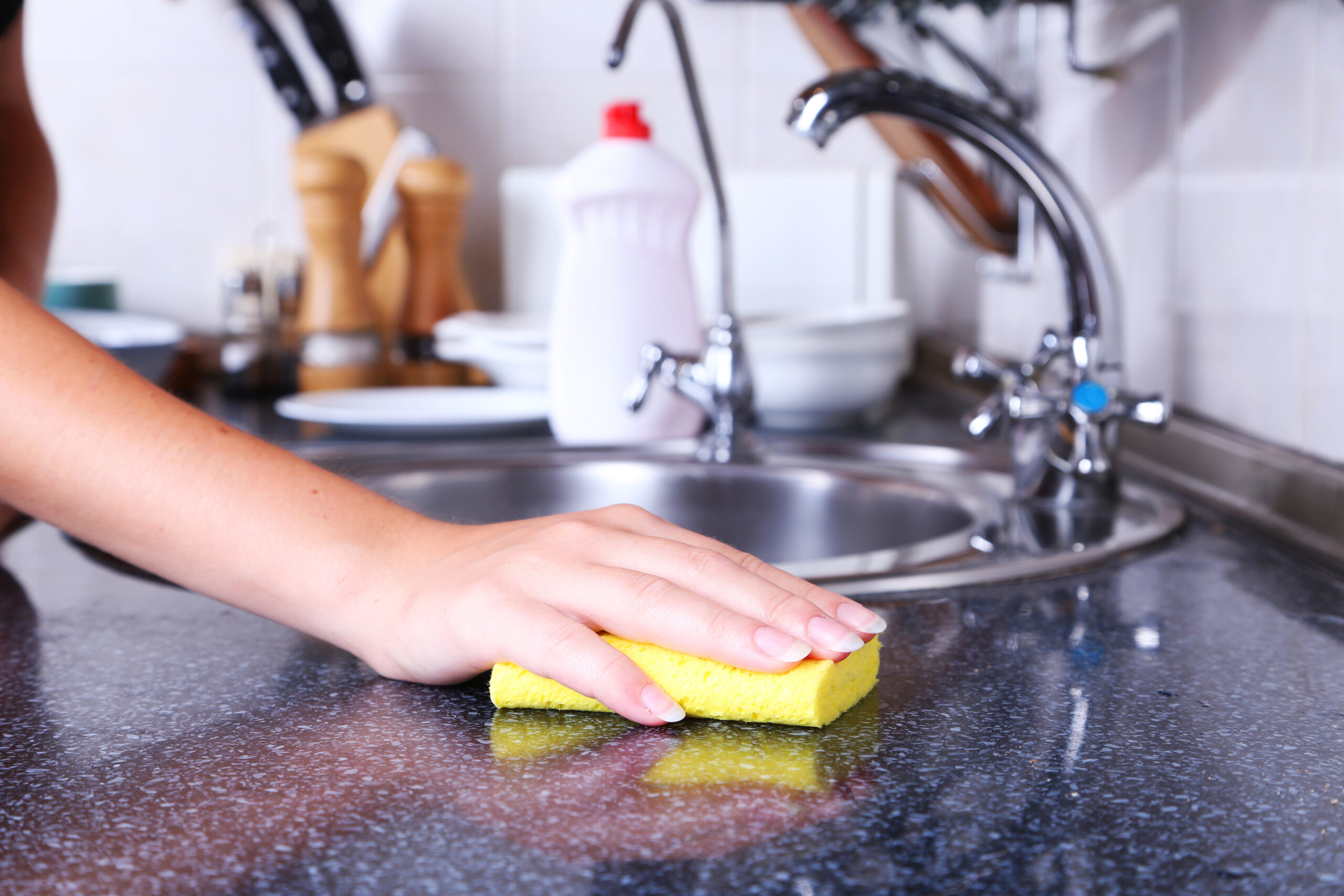
Surface cleaning is another blind spot for many home cooks. Patrick Guzzle, VP of food science at the National Restaurant Association, points out that soap and water remove grime, but not pathogens. To truly disinfect counters, cutting boards, and knives—especially after contact with raw meat—use a sanitizing wipe or a bleach solution. Even the best multi-purpose sprays are not designed to neutralize harmful bacteria. If your dishwasher has a sanitize cycle, use it for utensils and dishes labeled as dishwasher-safe. Regular sanitizing prevents cross-contamination, protecting your family from invisible threats that could lurk on kitchen surfaces.
Temperature Rules That Protect Against Bacteria
Leftovers and casseroles are staples in American kitchens, yet reheating them incorrectly can lead to illness. USDA experts insist that all leftovers must reach 165 degrees Fahrenheit before consumption. An instant-read thermometer is not only for steak or poultry—use it on reheated pasta, beans, or grains. Once cooked, these foods support rapid bacterial growth due to increased water activity. Storing them at room temperature, even briefly, can be risky. Guzzle recommends refrigerating cooked grains and beans promptly and keeping them hot until served. Neglecting temperature guidelines turns familiar comfort foods into potential sources of food poisoning.
Expiration dates are widely misunderstood. The USDA clarifies that “use by” and “best by” labels signal peak quality, not safety, except for infant formula. Many Americans discard perfectly safe foods or, conversely, keep them too long. The real danger is spoilage, detectable by odor, texture, or flavor changes. Use your senses as your primary guide, not the printed date. If food looks, smells, or feels off, throw it away. Otherwise, proper storage and vigilance against spoilage will keep your pantry safe and reduce waste.
The Risk of Leaving Food Out: Timing Is Everything
Food left out to cool may seem harmless, but experts warn this is one of the riskiest behaviors in home kitchens. Bacteria thrive at room temperature, multiplying at alarming rates. Patrick Guzzle advises that cooked foods should never sit out for more than two hours. Refrigerate promptly, covering loosely to allow air flow, which accelerates cooling. Modern refrigerators are engineered to offset the heat from warm dishes, so don’t fear a slight temperature fluctuation. To further speed cooling, store leftovers in small, shallow containers. This simple adjustment dramatically lowers your risk of illness.
Food safety is fundamentally about control—over surfaces, temperatures, time, and habits. Even seasoned cooks are not immune to these common mistakes. Experts stress that rigorous hand washing, thorough surface sanitizing, precise temperature management, and a practical approach to expiration dates are the pillars of a safe kitchen. The danger lies not in rare or exotic pathogens, but in the everyday lapses that accumulate over time. Adjusting your habits with these science-backed steps can turn your kitchen from a battleground into a haven of health.
Sources:
Pathogens and Bad Bacteria in Your Food
Meredith Carothers, USDA Food Safety Specialist
Patrick Guzzle, National Restaurant Association
Do Food Expiration Dates Mean Anything?