


Table of Contents
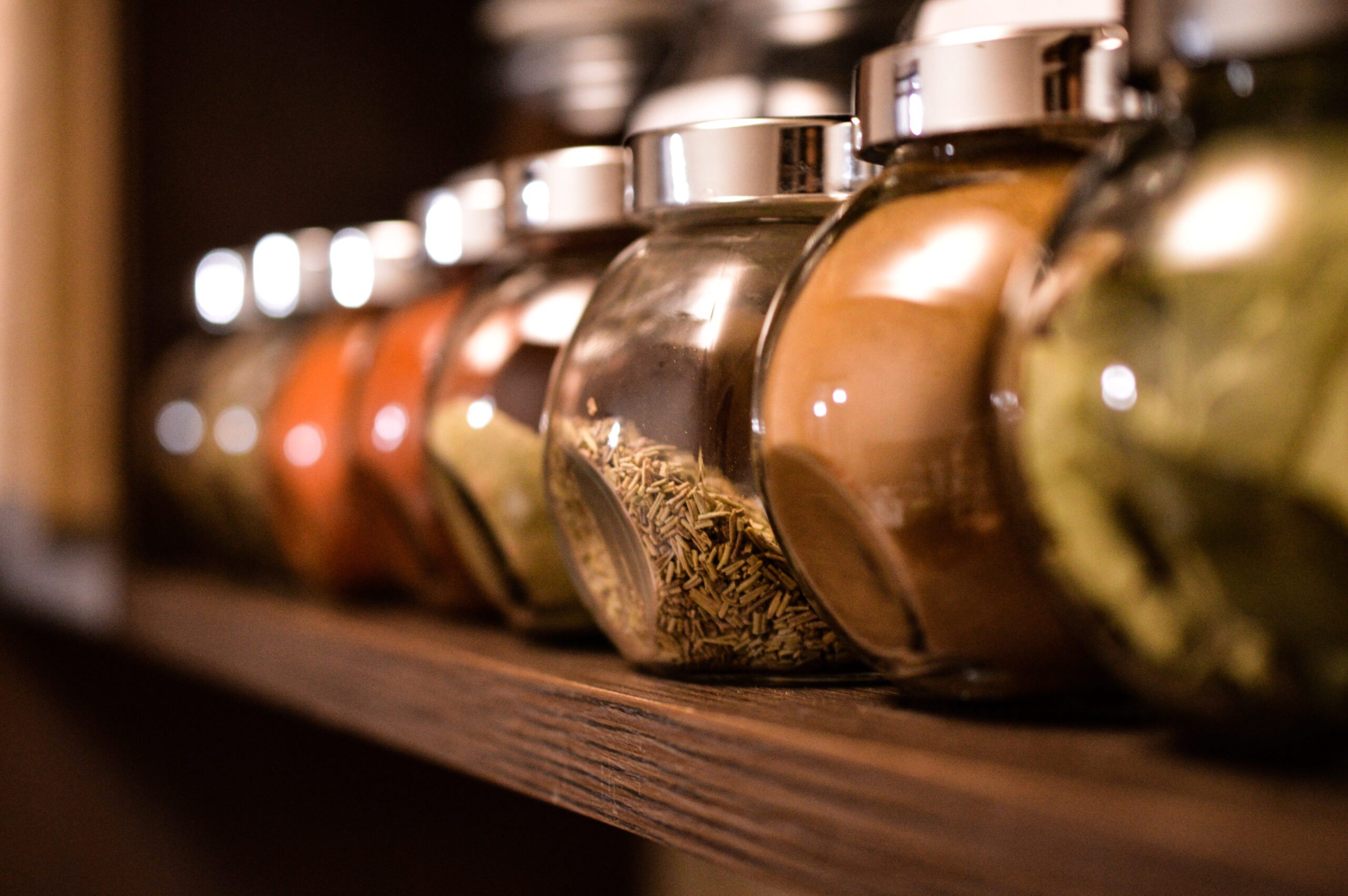
Spices and herbs, often overlooked as mere flavor boosters, hold transformative power for your brain and body—neglecting them may mean missing out on the most accessible upgrade to your health.
Story Highlights
- Spices and herbs are potent sources of nutrients, yet most people add them sparingly, missing out on health benefits.
- Nutritional psychiatrist Uma Naidoo, M.D., advocates for making these ingredients central to everyday meals.
- Scientific research links herbs and spices to improved mental health, cognitive function, and physical well-being.
- Simple changes in your kitchen routine can deliver outsized rewards for your long-term health.
Why Most Kitchens Are Missing the Point
Walk into the average kitchen and you’ll find a handful of dusty spice jars lurking at the back of the cupboard, reserved for rare occasions. This is not a trivial oversight. Spices and herbs aren’t just culinary accents—they’re concentrated sources of antioxidants, anti-inflammatory compounds, and micronutrients that can directly influence how your brain functions and how your body feels. By relegating these ingredients to minor roles, countless individuals unintentionally limit their health potential.
Dr. Uma Naidoo, a nutritional psychiatrist, argues that integrating a diverse array of herbs and spices—think turmeric, rosemary, oregano, cinnamon—can be the easiest way to elevate the nutritional profile of any meal. These ingredients do more than flavor food; they can help regulate mood, improve memory, and even reduce long-term disease risk. The science is clear: compounds like curcumin in turmeric and carnosic acid in rosemary have been shown to protect neural pathways, helping to keep your mind sharp as you age.
How Spices and Herbs Impact Your Brain Health
Emerging research from nutritional psychiatry highlights that spices and herbs serve as powerful allies against cognitive decline. For example, cinnamon’s polyphenols may help stabilize blood sugar, an essential factor in maintaining steady energy and mental clarity. Oregano and rosemary are filled with phytochemicals that decrease oxidative stress, a root cause of age-related memory loss. The connection between what’s on your plate and your brain’s resilience has never been clearer; making herbs and spices a regular part of your cooking is a practical, immediate way to support mental health.
Everyday routines often default to convenience foods lacking these vital ingredients. By contrast, cultures that emphasize herbs and spices—like Mediterranean and South Asian cuisines—see lower rates of chronic disease and better cognitive outcomes. The difference isn’t just in genetics or lifestyle; it’s in the kitchen. Making a conscious choice to add a teaspoon of turmeric to your soup or sprinkle fresh basil on your salad can nudge your health in a positive direction with minimal effort.
Practical Ways to Upgrade Your Meals and Your Mind
Transforming your diet does not require a complete overhaul. Start with small shifts: swap out salt-heavy seasonings for blends of cumin, coriander, and parsley. Try adding ginger to your morning smoothie—a single thumb-sized piece delivers anti-inflammatory benefits that rival expensive supplements. Fresh herbs, such as cilantro and mint, can be chopped and tossed onto grains or proteins, instantly boosting nutrient density. Over time, these simple habits compound to create a more robust defense against the stressors of aging.
For those who find cooking daunting, Dr. Naidoo suggests keeping a visible stash of spice blends and fresh herbs on the counter. This visual reminder encourages frequent use, making it easier to build the habit. Instead of treating herbs and spices as holiday extras, think of them as daily essentials—just as important as your protein or vegetables. This mindset shift is the cornerstone of nutritional psychiatry, where food is seen not only as fuel but as medicine for the mind.
Sources:
A Step-by-Step Guide to Writing Compelling Introductions - Wordtune
How to Write an Introduction, With Examples - Grammarly
9 Feature Article Intros to Hook Your Readers
How to Write a Good Article Introduction | by Anselmo Guarneros