


Table of Contents
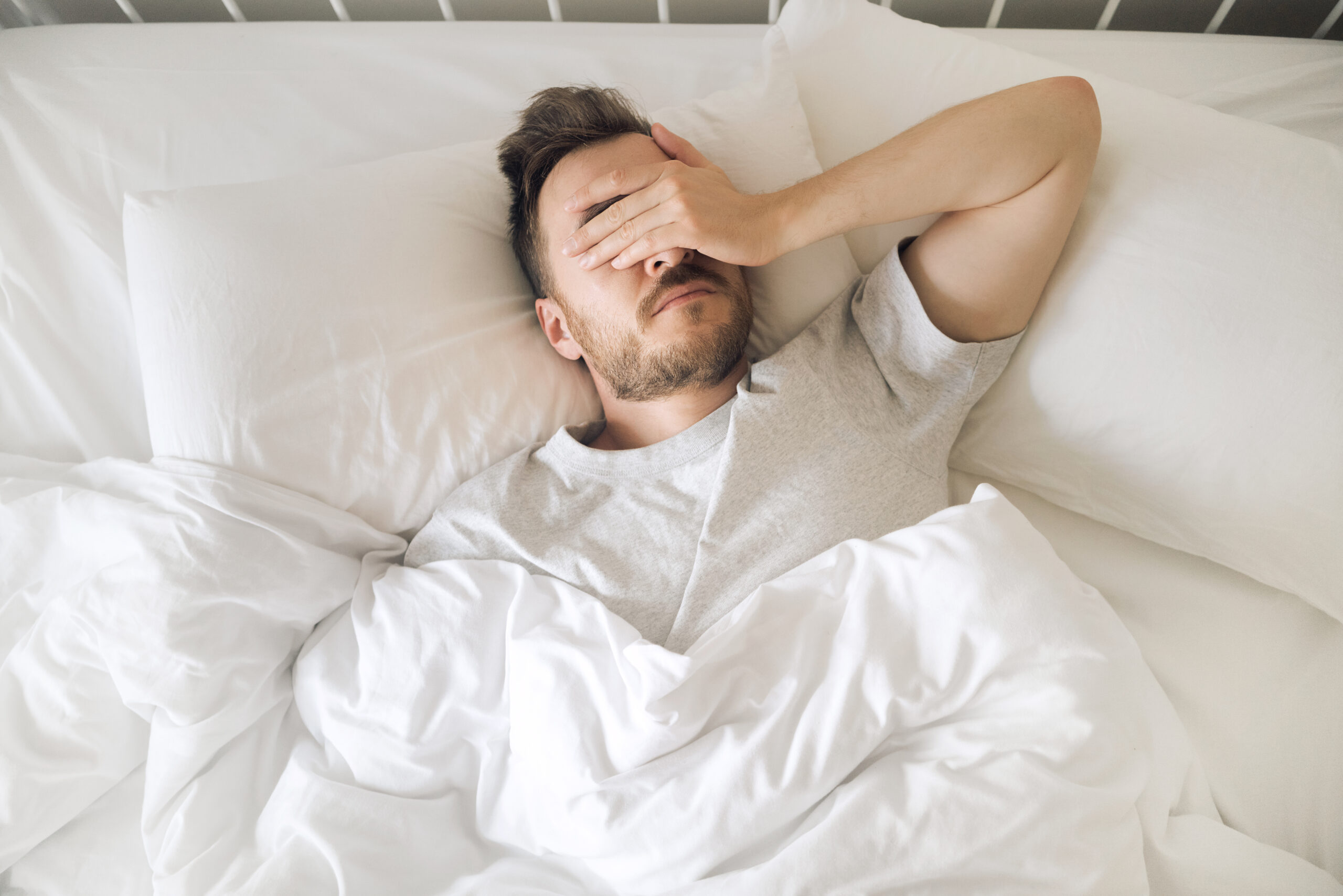
Every Saturday night out and every Sunday morning lie-in may be quietly sabotaging your health, fueling a new epidemic sleep doctors are now calling “social apnea.”
Story Snapshot
- Weekend lifestyle habits cause a dramatic spike in sleep apnea symptoms.
- “Social apnea” impacts both diagnosed patients and unsuspecting adults.
- Flinders University’s study shows a 47% increase in risk from sleeping in.
- Experts urge consistency and caution with alcohol to protect sleep health.
Weekend Routines: The Hidden Threat to Sleep Quality
Obstructive sleep apnea (OSA) has long been a silent, persistent disruptor of health, marked by repeated pauses in breathing, snoring, restless nights, and daytime exhaustion. Historically, clinicians focused on anatomical and medical risk factors—obesity, age, and airway structure. But recent research from Flinders University repositions the spotlight: weekend habits, not just genetics or body type, are fueling a new surge in sleep disruption. This phenomenon, dubbed “social apnea,” reveals that late nights, extra drinks, and sleeping in are making OSA symptoms dramatically worse, and that no one is immune just because they haven’t been diagnosed.
The Flinders study, published in July 2025, analyzed over 70,000 participants worldwide and found a striking 18% increase in moderate to severe OSA symptoms during weekends compared to midweek. Sleeping in for 45 minutes or more nearly doubled the risk. The data speaks loudly: our weekend pursuit of fun and freedom exacts a heavy toll on sleep, mood, and physical health, even for those who consider themselves healthy sleepers.
“Social Apnea”: A New Category of Sleep Disorder
“Social apnea” is more than a catchy label. It highlights how lifestyle choices—late nights, increased alcohol, irregular sleep, and skipped CPAP therapy—can turn mild sleep issues into serious health threats. Unlike traditional OSA, which persists nightly and is driven by structural or medical factors, social apnea spikes on weekends and social occasions. Adults under 60, shift workers, men, and parents of young children are especially vulnerable due to erratic sleep schedules. Researchers emphasize that even the general public is at risk when routines unravel on Friday and Saturday nights.
The ripple effects extend beyond physical exhaustion. Weekend sleep disruption, often called “social jetlag,” leads to grogginess, cravings, mood changes, and strained relationships. Experts warn that inconsistent sleep undermines the body’s natural rhythms, relaxes throat muscles, and alters REM sleep timing, compounding apnea risk. Sleep psychotherapists advocate for routine: consistent wake times, limited sleep-ins, and alternating alcohol with water to blunt the biological backlash.
The Role of CPAP Therapy and Behavioral Interventions
Continuous Positive Airway Pressure (CPAP) therapy remains the medical gold standard for OSA, but adherence drops sharply during weekends and social events. Device manufacturers and clinicians are joining forces to boost compliance, knowing that skipping therapy for even a few nights can trigger a cascade of health problems. Behavioral interventions, such as sleep hygiene education and personalized wake schedules, are gaining traction as vital complements to medical treatment. The message from sleep specialists is clear: the weekend is not a free pass for ignoring therapy or healthy habits.
Expert consensus converges on actionable recommendations for both diagnosed OSA patients and the wider public. Avoid sleeping in for more than 45 minutes, moderate alcohol intake, and maintain steady bedtime routines, especially from Friday through Sunday. These simple steps not only reduce the risk of social apnea but also improve overall health, productivity, and emotional well-being. The campaign for consistent sleep is quickly becoming a public health priority, with advocacy groups and clinicians pushing for wider screening and education.
Broader Implications for Public Health and Sleep Medicine
The rise of social apnea carries economic and social consequences. If left unchecked, weekend sleep disruption will drive up healthcare costs through increased cardiovascular and metabolic complications. Productivity drops, mood disturbances spike, and families suffer when sleep is sacrificed for social indulgence. Sleep medicine is responding with new screening tools, public education, and industry innovation in therapy devices. The term “social apnea” may be new, but the evidence supporting it is robust and likely to reshape how we think about sleep health in the years to come.
Flinders University’s large-scale study provides compelling validation, and leading sources such as the Sleep Foundation and Mayo Clinic have corroborated the findings. As the concept gains traction, the next frontier will be integrating behavioral advice into mainstream health messaging, ensuring that people recognize and address the risks of their weekend routines. For those who value common sense and conservative health principles, the lesson is straightforward: consistency and moderation are the true guardians of restful, restorative sleep.
Sources:
Wikipedia: Obstructive Sleep Apnea
Mayo Clinic: Obstructive Sleep Apnea